
Organic Vital Mushrooms & Medicinal Fungi
Our organic vital mushrooms come from controlled organic cultivation and are carefully processed by us. In our shop, you will find both powdered capsules and tinctures in premium organic quality. Among the most interesting compounds in vital mushrooms are polysaccharides, which mainly occur as structural and storage substances in medicinal fungi and show promising potential. In our online shop, you will find a comprehensive selection of premium-quality organic vital mushrooms: from Reishi and Cordyceps to Hericium, Auricularia, Chaga, and Maitake.

Balanced blend of powder and extract from organic Hericium medicinal mushroom. For optimal availability, our capsules contain equal parts mushroom powder in raw food quality and highly pure hot-water extract standardized to 30% mushroom polysaccharides. The capsules are vegan-friendly and encapsulated in purely plant-based cellulose. All steps involved in producing our organic Hericium capsules are carried out by hand directly in our herbal manufactory in Werder an der Havel. Our medicinal mushrooms are continuously tested in Switzerland through strict controls for more than 250 substances. We only consider the raw material for further processing in our manufactory once these controls have unequivocally confirmed its premium organic quality.Thanks to the gentle water extraction, we can exclude residues of methanol, hexane or ethanol.Free from carrageenan. To guarantee the best quality, we source the raw materials for our Hericium capsules exclusively from producers who meet our high quality standards. We place particular emphasis on sustainable and organic production as well as fair working conditions. Product information Our product contains no fillers, colorants or preservatives. 100% natural and vegan, with no added sugar. Organic certification Our product is organically certified according to control body DE-ÖKO-070, non-EU agriculture. Recommended use Unless otherwise prescribed, take 2 x 2 capsules daily with sufficient water, preferably before or after meals.We recommend taking it as follows: morning - midday - eveningFirst week 1 - 0 - 0Second week 1 - 0 - 1Third week 2 - 0 - 1From the fourth week onward 2 - 0 - 2 Ingredients Hericium powder* (fruiting body), Hericium extract (30% polysaccharides)*, hydroxypropyl methylcellulose (capsule shell).*from controlled organic cultivation. Important notes The stated recommended daily intake must not be exceeded. Food supplements are not a substitute for a balanced and varied diet. In cases of illness, medication use, pregnancy or breastfeeding, a trusted doctor or naturopath should be consulted before taking food supplements. Whether and which food supplements are suitable for children and adolescents should likewise be assessed by a pediatrician or therapist. Storage Store tightly closed in a cool, dry and dark place. Keep out of reach of children. Origin Made in Germany. Contents 27 g ℮ net fill quantity without capsule shell (corresponds to 100 capsules of 270 mg each)
Content: 27 Gramm (US$114.11 / 100 Gramm)

Our Reishi tincture (alc. 35% vol) is made from dried and finely cut Reishi mushrooms. They are processed into a fine medicinal mushroom tincture, which is regularly and carefully shaken by hand (1:3 ratio). Before bottling, our Reishi tincture matures for at least three months. To guarantee the highest quality, we source the raw materials for our natural products exclusively from producers who meet our high quality standards. The Reishi mushrooms come from certified organic cultivation and are regularly tested under strict controls for residues. Product information Our product contains no fillers, colourings, or preservatives. 100% natural and vegan, with no added sugar. Organic certification Our product is certified organic by the inspection body DE-ÖKO-070 for EU and non-EU agriculture. Recommended use Unless otherwise directed, take 1 teaspoon twice daily. If needed, the tincture can be diluted in water. Before swallowing, allow it to remain briefly in the mouth. It is recommended to take the tincture with or after a meal. Quantity ratios: 1 tsp ≙ approx. 5 ml, 20 drops ≙ 1 ml Ingredients Distilled water, regional pure rye alcohol (alc. 96% vol), Reishi fruiting bodies*. *from certified organic cultivation. Nutritional information Energy per 100 ml: 942 kJ / 225 kcal Energy per serving (1 tsp ≙ 5 ml): 47.1 kJ / 11.25 kcal Contains negligible amounts of fat, saturated fatty acids, carbohydrates, protein, and salt. Important notes The stated recommended daily intake must not be exceeded. Food supplements are not a substitute for a balanced and varied diet. If you have any medical condition, are taking medication, are pregnant, or breastfeeding, please consult your doctor or qualified practitioner before taking food supplements. Whether food supplements are suitable for children and adolescents should also be assessed by a healthcare professional. Storage Store tightly closed in a cool, dry, dark place. Keep out of reach of children. Origin Made in Germany. Contents 100 ml ℮

Our Cordyceps tincture (alc. 35% vol) is made from dried and finely cut Cordyceps mushrooms. They are processed into a fine medicinal mushroom tincture that is regularly and carefully shaken by hand (1:3 ratio). Before bottling, our Cordyceps tincture matures for at least three months. The Cordyceps mushrooms come from certified organic cultivation. Our medicinal mushrooms are regularly tested in Switzerland under strict controls for residues. To guarantee the highest quality, we source the raw materials for our natural products exclusively from producers who meet our high quality standards. Product information Our product contains no fillers, colourings or preservatives. 100% natural and vegan, with no added sugar. Organic certification Our product is certified organic by the inspection body DE-ÖKO-070 for EU and non-EU agriculture. Recommended use Unless otherwise directed, take 1 teaspoon twice daily. If needed, the tincture can be diluted in water. Before swallowing, allow it to remain briefly in the mouth. It is recommended to take the tincture with or after meals. Quantity ratios: 1 tsp ≙ approx. 5 ml, 20 drops ≙ 1 ml Ingredients Distilled water, regional pure rye alcohol (alc. 96% vol), Cordyceps (Cordyceps sinensis)*.*from certified organic cultivation. Nutritional information Energy per 100 ml: 942 kJ / 225 kcal Energy per serving (1 tsp ≙ 5 ml): 47.1 kJ / 11.25 kcal Contains negligible amounts of fat, saturated fatty acids, carbohydrates, protein and salt. Important notes The stated recommended daily intake must not be exceeded. Food supplements are not a substitute for a balanced and varied diet. If you have any medical condition, are taking medication, are pregnant or breastfeeding, please consult your doctor or qualified practitioner before taking food supplements. Whether food supplements are suitable for children and adolescents should also be assessed by a healthcare professional. Storage Store tightly closed in a cool, dry and dark place. Keep out of reach of children. Origin Made in Germany. Contents 100 ml ℮

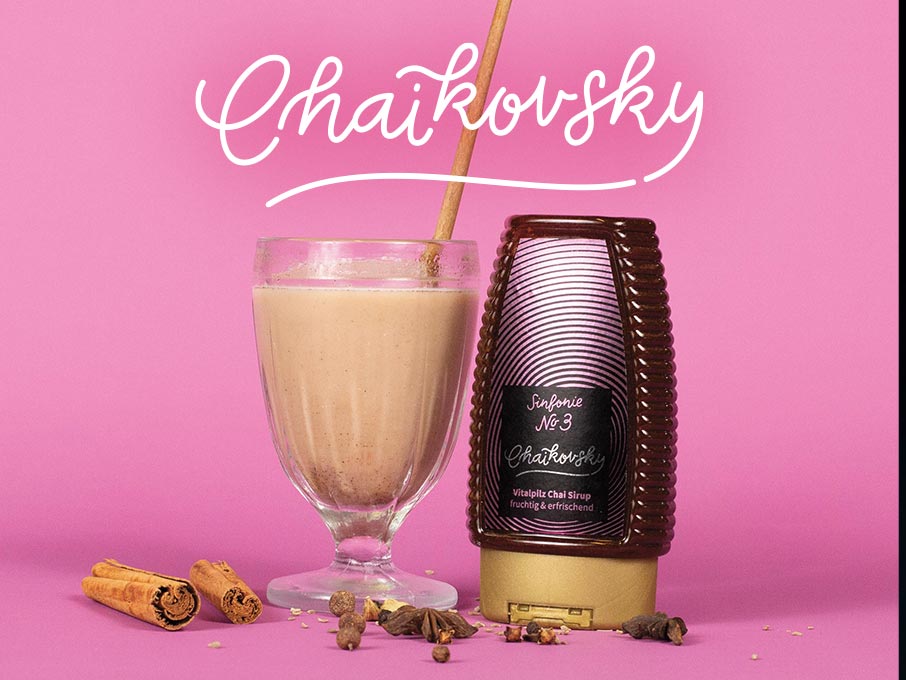
Symphony № 5 Hericium Vital Mushroom Chai Syrup Discover a wonderful symphony of flavours and vitality with our Chaikovsky Symphony № 5. This extraordinary blend with Hericium vital mushroom will change your morning routine forever. With a classic chai note complemented by the invigorating qualities of Hericium, this chai syrup is the ideal companion for an energetic start to the day. Our vital mushroom chai teas are a unique fusion of exquisite spices and the beneficial, energizing properties of vital mushrooms. For Chaikovsky Symphony № 5, we selected the Hericium vital mushroom to enrich this special blend. Hericium, also known as lion’s mane mushroom, is valued in traditional Chinese medicine for its positive effects on mental clarity and general well-being. Combined with classic chai spices, this chai syrup offers a harmonious taste experience and a soothing effect. At Kasimir + Lieselotte, we place the highest value on quality and purity. Our product contains no fillers, colourings or preservatives. We are proud to be 100 % vegan and rely on natural purity. In addition, our organic chai syrup is certified and carries the organic seal. Warmth, flavour and vitality Chaikovsky Symphony № 5 is not just a drink, but an invitation to experience the invigorating power of Hericium vital mushroom while enjoying the rich and spicy aromas of our carefully selected spices. Every cup offers not only flavour, but also a special opportunity to enjoy your day to the fullest and begin your activities feeling strengthened. Our Chaikovsky Symphony № 5 is more than just a chai - it is a festive symphony for your senses. Let yourself be inspired by the variety of aromas and the natural vitality of Hericium. With Chaikovsky Symphony № 5, we present a unique product that combines tradition and innovation to fill your day with warmth, flavour and vitality. Get ready for an extraordinary taste experience that will enrich your day from the very start. Preparation Dissolve one teaspoon of vital mushroom chai syrup in hot oat milk, milk or hot water and enjoy! Ingredients Agave syrup*, lion’s mane mushroom (Hericium erinacaeus)*, kola nut*, cinnamon*, orange peel*, cardamom*, almond mushroom (Agaricus blazei)*, black pepper*, anise*, acerola (carrier: maltodextrin)*, Reishi (Ganoderma lucidum)*, natural vanillin, mace**from certified organic cultivation Content 200 g
Content: 200 Gramm (US$7.14 / 100 Gramm)

Symphony № 5 Hericium Vital Mushroom Chai Syrup Discover a wonderful symphony of flavours and vitality with our Chaikovsky Symphony № 5. This extraordinary blend with Hericium vital mushroom will change your morning routine forever. With a classic chai note complemented by the invigorating qualities of Hericium, this chai syrup is the ideal companion for an energetic start to the day. Our vital mushroom chai teas are a unique fusion of exquisite spices and the beneficial, energizing properties of vital mushrooms. For Chaikovsky Symphony № 5, we selected the Hericium vital mushroom to enrich this special blend. Hericium, also known as lion’s mane mushroom, is valued in traditional Chinese medicine for its positive effects on mental clarity and general well-being. Combined with classic chai spices, this chai syrup offers a harmonious taste experience and a soothing effect. At Kasimir + Lieselotte, we place the highest value on quality and purity. Our product contains no fillers, colourings or preservatives. We are proud to be 100 % vegan and rely on natural purity. In addition, our organic chai syrup is certified and carries the organic seal. Warmth, flavour and vitality Chaikovsky Symphony № 5 is not just a drink, but an invitation to experience the invigorating power of Hericium vital mushroom while enjoying the rich and spicy aromas of our carefully selected spices. Every cup offers not only flavour, but also a special opportunity to enjoy your day to the fullest and begin your activities feeling strengthened. Our Chaikovsky Symphony № 5 is more than just a chai - it is a festive symphony for your senses. Let yourself be inspired by the variety of aromas and the natural vitality of Hericium. With Chaikovsky Symphony № 5, we present a unique product that combines tradition and innovation to fill your day with warmth, flavour and vitality. Get ready for an extraordinary taste experience that will enrich your day from the very start. Preparation Dissolve one teaspoon of vital mushroom chai syrup in hot oat milk, milk or hot water and enjoy! Ingredients Agave syrup*, lion’s mane mushroom (Hericium erinacaeus)*, kola nut*, cinnamon*, orange peel*, cardamom*, almond mushroom (Agaricus blazei)*, black pepper*, anise*, acerola (carrier: maltodextrin)*, Reishi (Ganoderma lucidum)*, natural vanillin, mace**from certified organic cultivation Content 450 g
Content: 450 Gramm (US$4.89 / 100 Gramm)
Symphony № 3 Reishi Vital Mushroom Chai Syrup Welcome to the world of exquisite flavour symphonies with Kasimir + Lieselotte’s Chaikovsky Symphony № 3. This unique blend with Reishi vital mushroom opens a completely new dimension of enjoyment. With a gentle, delicate note and a fruity refreshing spiced tea blend, it is the perfect choice for anyone who appreciates the refined and balanced taste of chai. Our vital mushroom chai teas combine the art of spice blending with the beneficial and invigorating properties of vital mushrooms. The use of Reishi in this symphony is no coincidence. Reishi, also known as the “mushroom of immortality”, has been valued for centuries in traditional Chinese medicine. It is believed to support the immune system and promote overall well-being. This special Reishi note perfectly complements the chai spices, creating a harmonious symphony for the senses. At Kasimir + Lieselotte we follow a clear philosophy: we offer only the very best. Our products are free from fillers, colourings and preservatives. We rely on natural purity and are proud to be 100 % natural and vegan, with no added sugar. In addition, our organic chai syrup is certified and carries the organic seal. Warmth, flavour and vitality Chaikovsky Symphony № 3 with Reishi vital mushroom is not just a drink – it is an invitation to indulge your senses. Every cup is an opportunity to experience the beneficial properties of Reishi while enjoying the unique aromas of our carefully selected spices. Our Chaikovsky Symphony № 3 is more than just a chai – it is a festive symphony that takes your senses on a journey. Experience the purity of nature in every sip and be inspired by the refined blend from Kasimir + Lieselotte. With our Chaikovsky Symphony № 3 we offer a unique opportunity to elevate your chai experience to a new level. We are proud to present a product that combines tradition and innovation to fill your day with warmth, flavour and vitality. Preparation Dissolve one teaspoon of vital mushroom chai syrup in hot oat milk, milk or hot water and enjoy. Ingredients Agave syrup*, goji berry*, Reishi (Ganoderma lucidum)*, cinnamon*, ginger*, black pepper*, Timut pepper*, rock rose*, cardamom*, allspice*, natural vanillin, clove*, chili*, thyme*, mace**from certified organic cultivation Content 200 g
Content: 200 Gramm (US$7.14 / 100 Gramm)
Symphony № 3 Reishi Vital Mushroom Chai Syrup Welcome to the world of exquisite flavour symphonies with Kasimir + Lieselotte’s Chaikovsky Symphony № 3. This unique blend with Reishi vital mushroom opens a completely new dimension of enjoyment. With a gentle, delicate note and a fruity refreshing spiced tea blend, it is the perfect choice for anyone who appreciates the refined and balanced taste of chai. Our vital mushroom chai teas combine the art of spice blending with the beneficial and invigorating properties of vital mushrooms. The use of Reishi in this symphony is no coincidence. Reishi, also known as the “mushroom of immortality”, has been valued for centuries in traditional Chinese medicine. It is believed to support the immune system and promote overall well-being. This special Reishi note perfectly complements the chai spices, creating a harmonious symphony for the senses. At Kasimir + Lieselotte we follow a clear philosophy: we offer only the very best. Our products are free from fillers, colourings and preservatives. We rely on natural purity and are proud to be 100 % natural and vegan, with no added sugar. In addition, our organic chai syrup is certified and carries the organic seal. Warmth, flavour and vitality Chaikovsky Symphony № 3 with Reishi vital mushroom is not just a drink – it is an invitation to indulge your senses. Every cup is an opportunity to experience the beneficial properties of Reishi while enjoying the unique aromas of our carefully selected spices. Our Chaikovsky Symphony № 3 is more than just a chai – it is a festive symphony that takes your senses on a journey. Experience the purity of nature in every sip and be inspired by the refined blend from Kasimir + Lieselotte. With our Chaikovsky Symphony № 3 we offer a unique opportunity to elevate your chai experience to a new level. We are proud to present a product that combines tradition and innovation to fill your day with warmth, flavour and vitality. Preparation Dissolve one teaspoon of vital mushroom chai syrup in hot oat milk, milk or hot water and enjoy. Ingredients Agave syrup*, goji berry*, Reishi (Ganoderma lucidum)*, cinnamon*, ginger*, black pepper*, Timut pepper*, rock rose*, cardamom*, allspice*, natural vanillin, clove*, chili*, thyme*, mace**from certified organic cultivation Content 450 g
Content: 450 Gramm (US$4.89 / 100 Gramm)

Symphony № 1 Reishi Vital Mushroom Chai Syrup Immerse yourself in a harmonious taste experience and a refreshing start to your day with our latest creation: Chaikovsky Sinfonie № 1. This extraordinary chai syrup combines the best of spiced tea traditions with the beneficial power of vital mushrooms. The classic chai note in our Chaikovsky Sinfonie № 1 is a true feast for the senses. This naturally invigorating blend of spices has been carefully composed to provide the perfect start to your day. With a rich heritage of ancient healing traditions and the wisdom of traditional Chinese medicine, which values vital mushrooms, you can expect a unique taste experience that also supports your overall well-being. Our Chaikovsky Sinfonie № 1 is more than just an ordinary chai. It is a companion on your daily journey, providing the energy and vitality you need to face the day with strength. This exquisite blend supports your immune system, promotes focus and delivers revitalizing energy. The combination of traditional spiced tea craftsmanship and the healing power of vital mushrooms makes Chaikovsky Sinfonie №1 a unique and indispensable part of your morning routine. Experience the harmonious symphony of chai and the invigorating strength of vital mushrooms in a convenient squeeze bottle that makes preparation easier than ever before. A chai for true connoisseurs Start your day with Chaikovsky Sinfonie № 1 and feel how the combination of spices and vital mushrooms delights not only your palate but also your soul. A chai for true connoisseurs who seek more than just a drink – an experience. Preparation Dissolve one teaspoon of vital mushroom chai syrup in hot oat milk, milk or hot water and enjoy! Ingredients Agave syrup*, Reishi (Ganoderma lucidum)*, ginger*, black pepper*, allspice*, cardamom*, clove*, mace*, anise*, natural vanillin.*from certified organic cultivation Content 450 g
Content: 450 Gramm (US$4.89 / 100 Gramm)

Symphony № 1 Reishi Vital Mushroom Chai Syrup Immerse yourself in a harmonious taste experience and a refreshing start to your day with our latest creation: Chaikovsky Sinfonie № 1. This extraordinary chai syrup combines the best of spiced tea traditions with the beneficial power of vital mushrooms. The classic chai note in our Chaikovsky Sinfonie № 1 is a true feast for the senses. This naturally invigorating blend of spices has been carefully composed to provide the perfect start to your day. With a rich heritage of ancient healing traditions and the wisdom of traditional Chinese medicine, which values vital mushrooms, you can expect a unique taste experience that also supports your overall well-being. Our Chaikovsky Sinfonie № 1 is more than just an ordinary chai. It is a companion on your daily journey, providing the energy and vitality you need to face the day with strength. This exquisite blend supports your immune system, promotes focus and delivers revitalizing energy. The combination of traditional spiced tea craftsmanship and the healing power of vital mushrooms makes Chaikovsky Sinfonie №1 a unique and indispensable part of your morning routine. Experience the harmonious symphony of chai and the invigorating strength of vital mushrooms in a convenient squeeze bottle that makes preparation easier than ever before. A chai for true connoisseurs Start your day with Chaikovsky Sinfonie № 1 and feel how the combination of spices and vital mushrooms delights not only your palate but also your soul. A chai for true connoisseurs who seek more than just a drink – an experience. Preparation Dissolve one teaspoon of vital mushroom chai syrup in hot oat milk, milk or hot water and enjoy! Ingredients Agave syrup*, Reishi (Ganoderma lucidum)*, ginger*, black pepper*, allspice*, cardamom*, clove*, mace*, anise*, natural vanillin.*from certified organic cultivation Content 200 g
Content: 200 Gramm (US$7.14 / 100 Gramm)
Buy Organic Functional Mushrooms from Germany at the Kasimir + Lieselotte Shop
Functional mushrooms re unique edible mushrooms that have been valued for their distinctive natural compounds for thousands of years. While they have long been an integral part of Asian traditions, they have also been known and used in Europe for centuries.For many people, this is their first introduction to functional mushrooms such as Cordyceps, Reishi, Maitake, Hericium, Auricularia, or Chaga - sparking a growing interest in medicinal mushrooms and their potential benefits.
You may have seen TV reports about people in Bhutan or Tibet who set out each year to search for these medicinal mushrooms. A successful harvest of these now partly rare fungi can earn more than an entire year’s regular income. Wild-grown functional mushrooms can, in some cases, command especially high prices.
What Are Functional Mushrooms?
Functional mushrooms are a special group of mushrooms that are valued for their potential beneficial properties and their long tradition in Traditional Chinese Medicine. They are rich in valuable nutrients and bioactive compounds.
They are commonly used as dietary supplements to support and complement everyday nutrition. Functional mushrooms contain a wide range of vitamins, minerals, proteins, and fiber that may help contribute to the body’s overall nutrient intake.
Another notable characteristic of functional mushrooms is their potential antioxidant activity. Antioxidants help reduce oxidative stress in the body and support the protection of cells against damage caused by free radicals.
Which Compounds Are Found in Functional Mushrooms?
All functional mushrooms are considered bioremediators and decomposers in nature. They have the ability to absorb substances from the soil and accumulate them within their fruiting bodies. In this way, they concentrate nutrients from their natural environment, which is why medicinal mushrooms often have particularly distinctive nutrient profiles.
As decomposers, mushrooms also play a vital ecological role by breaking down organic matter and accelerating natural composting processes in the soil—supporting forest ecosystems and soil health.
The exact nutrient composition of mushrooms can vary depending on location, climate conditions, and soil quality. However, all functional mushrooms contain unique compounds that are rarely found in the plant kingdom, such as:
- β-1,3-1,6-glucans, a form of soluble dietary fiber
- distinctive glycoprotein profiles
- varying types and amounts of triterpenes, which act as signaling and bitter compounds
- ergosterol (provitamin D2), which can be converted into vitamin D
- ergothioneine, known for its ability to bind heavy metals
- melanins, natural pigments with antioxidant properties
In addition, functional mushroom products contain varying amounts of beta-glucans, amino acids, high- and low-density lipoproteins (HDL and LDL), triglycerides, minerals, and vitamins. Most functional mushroom ingredients used today in dietary supplements are sourced from modern cultivation facilities.
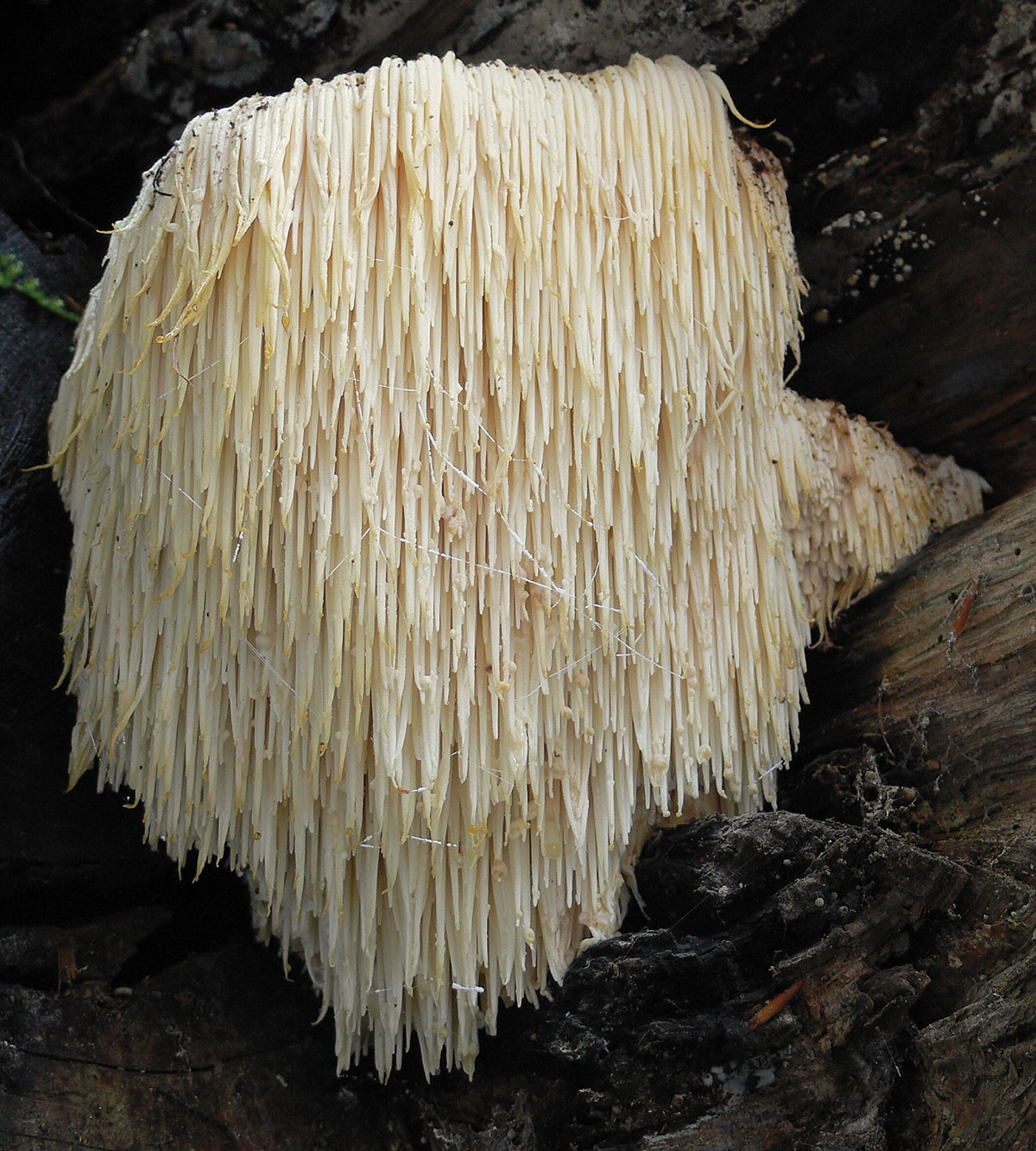
Specially developed growth substrates ensure that functional mushrooms are rich in valuable nutrients while remaining free from toxic contaminants. Today, only the Chaga mushroom is still harvested from untouched natural regions in Siberia or Scandinavia, while pristine mountain areas in Tibet and Bhutan allow for limited wild harvesting.
In addition, the country of cultivation, local growing conditions, climate, harvest timing, potential exposure to pesticides or other chemicals, the mushroom strain, and the quality of processing all influence the nutrient content. As some of the bioactive compounds in functional mushroom products are both water- and fat-soluble, it is recommended to consume these products together with a small amount of fat.