
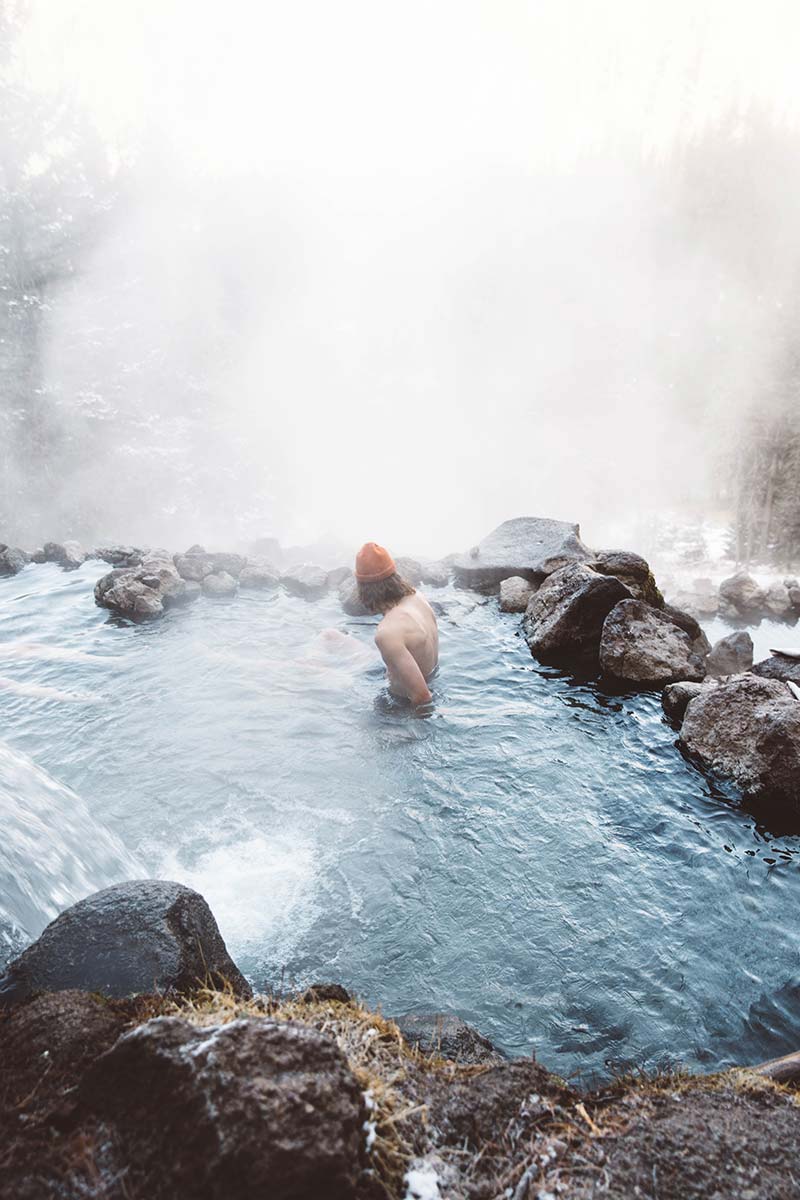
Contrast baths boost circulation
Ice bathing is on trend, and not only for environmental reasons—more and more people are ending their showers with cold water. The health-promoting effects of contrast baths and the associated stimulus that activates and strengthens the entire body are gaining wider recognition. They are increasingly used for disease prevention, strengthening the immune system, and enhancing overall well-being. One well-established and easily practiced method at home is the Kneipp cure, developed and popularized by Sebastian Kneipp.
What are contrast baths?
Hot and cold water baths have a long tradition in many cultures around the world and have also been used in Germany for a long time. In this simple hydrotherapy technique, one alternates between hot and cold water baths to stimulate circulation and generally invigorate the body and mind. Today, contrast baths are often practiced at health resorts with hot springs.
The Kneipp cure is based on the principle that water can be used to promote healing and prevent illness. It involves alternating hot and cold water baths as well as other water-based therapies such as hydrotherapy, water treading, and cold compresses. The underlying theory of the Kneipp cure suggests that hot water dilates blood vessels, while cold water causes them to constrict. This alternating blood flow is believed to stimulate circulation and support overall health.
Just as varied as the forms and cultural contexts of contrast baths are the conditions for which they are recommended. Because the contrast between cold and heat generally stimulates circulation, they may be used for issues such as chronically cold hands or feet, fatigue and exhaustion, reduced circulation or circulatory disturbances without an organic cause, varicose veins, and for general immune system support. At the same time, contrast baths are also said to have a positive effect on cardiovascular health.
However, there are also certain contraindications in which regular contrast baths should be avoided. Caution is advised for individuals who suffer from inflammatory conditions of the bladder, kidneys, or lower abdomen, as well as for those with an increased risk of thrombosis.
Pioneer of contrast baths: Sebastian Kneipp
The use of hot and cold water baths was popularized by Sebastian Kneipp, a German naturopath who developed the method now known as the Kneipp cure. Kneipp, who worked as a priest in Bavaria, in turn drew inspiration for his treatments from the writings of a physician from Saxony. Even before Kneipp made contrast baths widely known, they were already highly regarded, and the method was researched and discussed throughout Europe.
After Kneipp himself fell ill with tuberculosis at a young age and recovered with the help of regular contrast baths, he refined his method while working with people in his community. As Kneipp was not a physician, he repeatedly faced criticism and was accused of “quackery.” Despite these adversities, his method—through which he was able to help many people—grew steadily in popularity.
“Nature is the best pharmacy.”
Sebastian Kneipp
Hot and cold water baths at home:
While spa treatments and health resorts were, up until the last century, largely an exclusive privilege of the upper classes, Sebastian Kneipp made the practice of hot and cold contrast baths accessible to broader segments of society. There is no need to travel to a famous spa for this kind of application—simple contrast baths can be practiced at home as well, allowing you to support your health from the comfort of your own space.
To perform contrast baths at home, first fill two tubs or sufficiently large containers with water. One should contain hot water at approximately 38–40 °C (100–104 °F), and the other cold water at around 15–20 °C (59–68 °F). If you do not have a bathtub or large enough containers at home, you can also inquire at local sauna facilities, which often offer designated areas for contrast baths. A foot contrast bath can also be a good alternative to a full-body contrast bath.
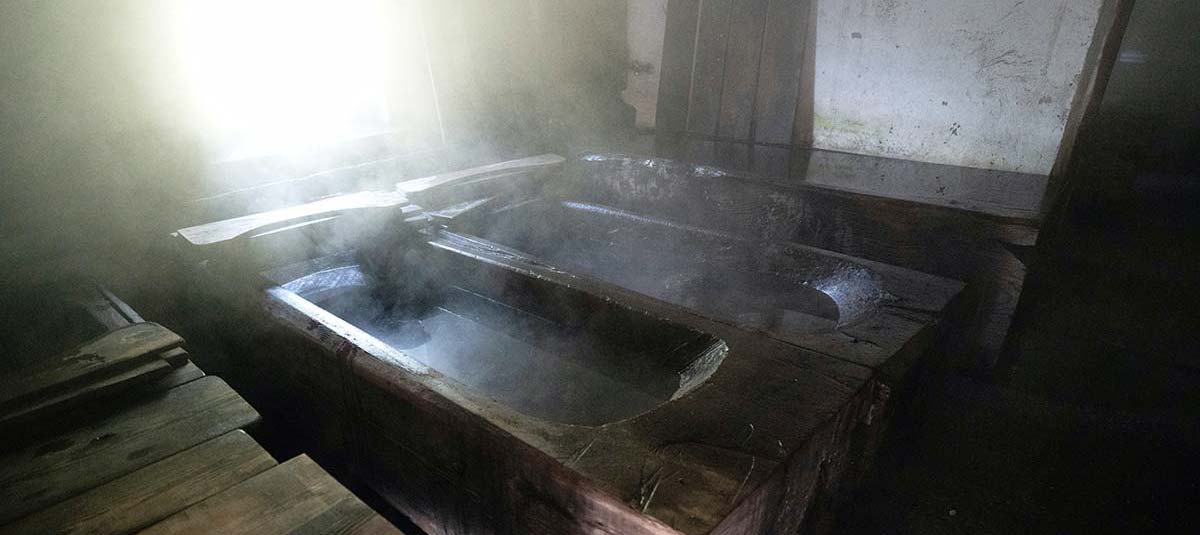
Before beginning, the body should be well warmed up. This can be achieved by starting with a warm bath or by warming up through gentle movement. Before proceeding with the actual contrast bath, it is also important to check that the temperature of the hot water feels comfortable and is not too hot, in order to avoid burns.
For the water treatment, you first immerse yourself in the hot water for about five minutes, then move into the cold bath for 15 to 20 seconds to create a cold stimulus. This alternation between hot and cold water should be repeated two to three times in total. If it feels comfortable, the duration of the cold phase can be increased gradually.
Contrast baths at a glance:
Start with hot water:
Hot water bath at 38–40 °C (100–104 °F) for approximately 5 minutes
Switch to cold water:
After 2–4 minutes, quickly move into the cold water bath,
remain there for about 15–20 seconds, breathe evenly
Repeat:
Repeat the immersion in hot and cold water 3–4 times,
beginning and ending with the hot water bath;
gradually increase the duration of both hot and cold phases
Tips for a pleasant and healthy contrast bath:
- Always use a thermometer to check the water temperature and avoid burns
- For contrast baths to feel beneficial and invigorating, it is essential to listen to your body and respect your personal limits. This means stopping immediately if you feel uncomfortable or notice any negative effects
- As with sauna sessions, a rest phase should be planned after hot and cold water baths—allowing yourself to relax and giving the body’s natural processes time to unfold
- For specific concerns, enhanced effects, or simply a more pleasant bathing experience, aromatic herbs can be added to the bath. Experts are best suited to advise which herbs are appropriate
“Prevention is better than cure.”
Sebastian Kneipp
Those who would like to support circulation and boost their energy levels not only through water therapy but also through nutrition may find valuable allies in algae and mushrooms. In addition to contrast baths, they can help provide the body with essential nutrients needed to maintain a healthy immune system and support an active, energetic daily life.

Salty Superfood: Dulse
Dulse, also known as dulse seaweed or by its botanical name Palmaria palmata, is a perennial, edible red algae that can grow into a wide variety of shapes. It is typically brownish-red to deep purple in color, has a leathery texture, and grows on rocks or on other algae. This saltwater algae is native to the Atlantic Ocean and can be found from Portugal to the Baltic Sea, as well as in Iceland and along the coasts of Russia, Canada, Alaska, Japan, and Korea.
Dulse has been used as a food source since as early as the 6th century. Today, it is especially popular in Ireland, Iceland, and Canada due to its mildly nutty flavor. In the kitchen, it can be used as a natural flavor enhancer and is consumed both fresh and dried.
Globally, dulse is gaining increasing recognition as a superfood, as it offers a broad spectrum of minerals and vitamins. In addition, it contains trace elements such as iodine and has a notably high protein content, making it a valuable and nutrient-rich addition to a balanced diet.
Conclusion
Hot and cold water baths can be a simple and effective way to improve circulation, promote relaxation, and strengthen the immune system. The Kneipp cure developed by Sebastian Kneipp popularized the use of water treatments as a form of hydrotherapy that can also be easily practiced at home. It is important to listen to your own body and, if necessary, consult a trusted physician or naturopath. To stimulate the body holistically and support its healthy functioning, dietary supplements such as maitake and dulse can additionally enhance the effects of contrast baths.