Our Farm in France
November 11, 2020
In addition to our herbal manufactory in Brandenburg, with cultivation areas for wild teasel, another location was added at the beginning of the year — our organic farm in Traversères, France. In this article, we share what inspired this move, how we are enjoying life in France, and the vision we have for our farm there.
How it came about
Since early 2020, we have also been managing an organic farm in France. Until then, we cultivated our plants exclusively on the farms of close partner farmers in the Brandenburg region. Over time, this approach not only reached its capacity limits but also led to various logistical challenges.
In particular, not being able to live directly on the land we cultivated proved to be a major challenge for us. Our wish to live on the land we care for and work with grew stronger and stronger.
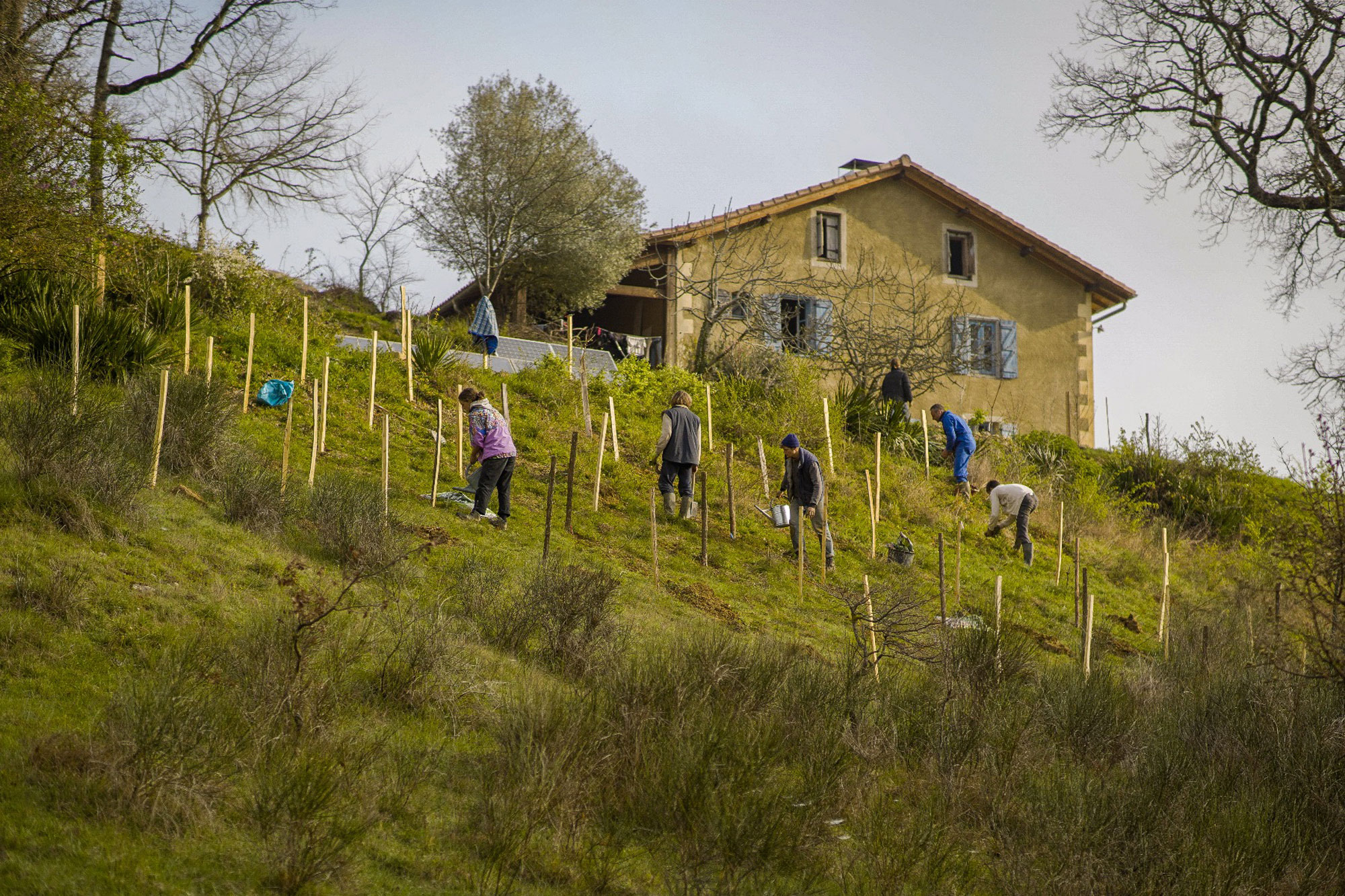
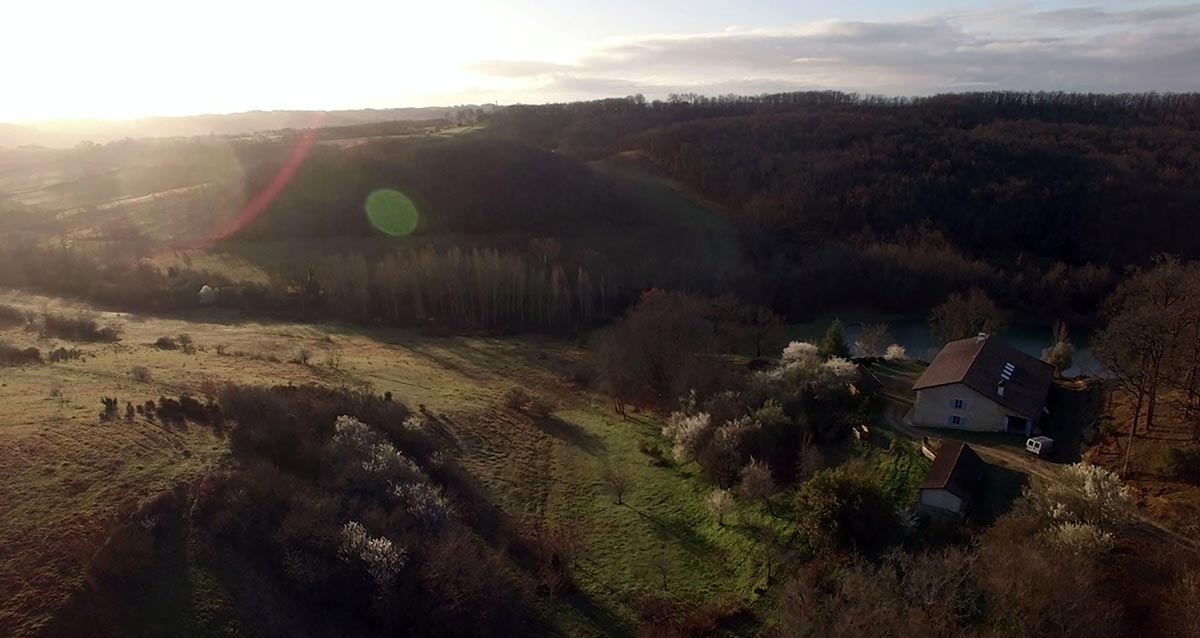
With the farm in France, we were able to fulfil this dream. On six hectares of organic farmland, nestled in the rolling landscape of the Midi-Pyrénées, we have found another home for ourselves and our herbs. Looking ahead, this location will also allow us and our team to cultivate and care for Mediterranean plants.
Why France?
There are several reasons why we chose a home in southwest France:
The landscape of the historic province of Gascony offers a high level of biodiversity, which also supports the growth of our plants. The agricultural culture of the region in which we live is already very advanced and strongly oriented towards organic practices.
We found an organically certified farm with sufficient cultivation space that perfectly matches our vision. As it has seen very little farming activity in recent years, the soil is vibrant and rich in microorganisms and soil life. In the long term, we aim to achieve Demeter certification for the farm and establish biodynamic cultivation practices.
The Midi-Pyrénées region in France offers an ideal climate, with longer harvesting periods than in Brandenburg. Here, we are able to live and work independently, surrounded by nature. Being located away from other farms means we do not have to worry about pesticide drift from neighbouring fields.
We truly appreciate the welcoming atmosphere and the friendly community of like-minded neighbours. Although there is still a great deal of work ahead, we already feel very much at home in our new surroundings.
Soil and Land Stewardship
We spare no effort in creating soil that is as healthy and natural as possible on our cultivation areas. Healing begins with healthy soil — this is one of the guiding principles at Kasimir + Lieselotte. In practice, this means the following:
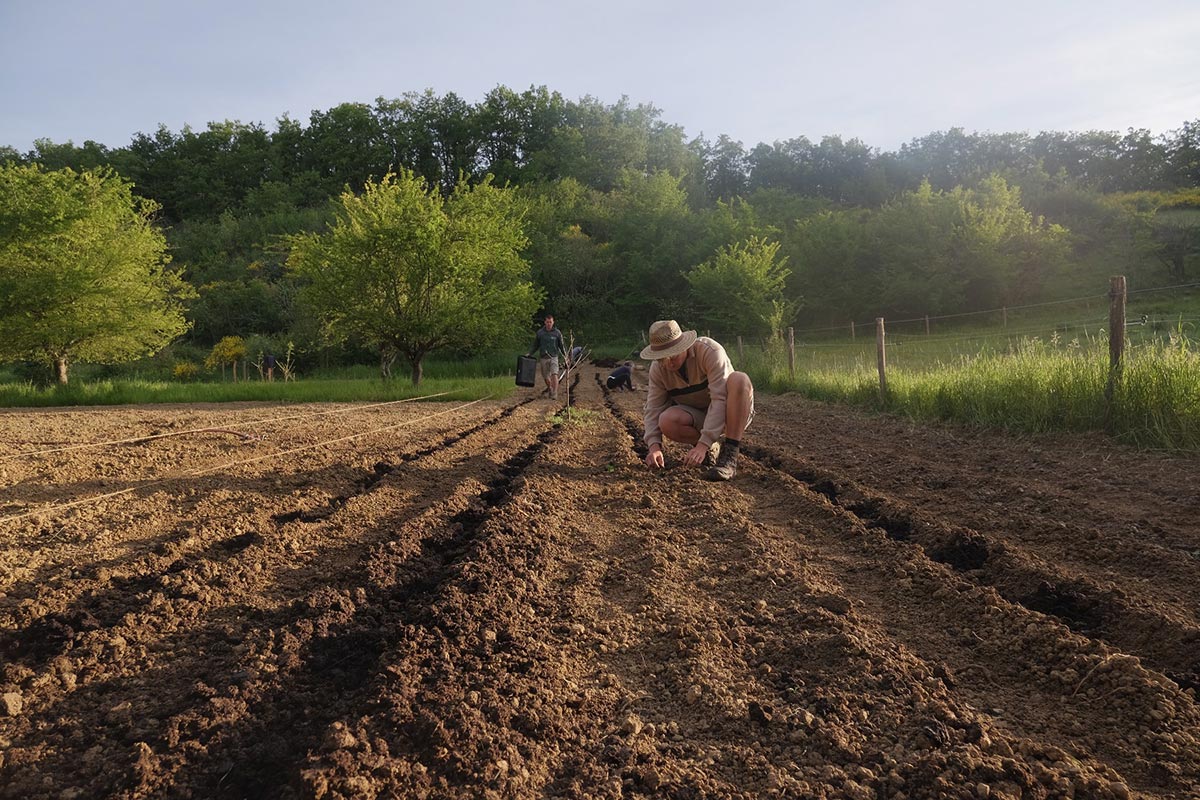
Our fields are cultivated by hand. This helps prevent soil compaction beneath the cultivated layer and offers several important benefits for both people and nature.
Die Wild herbs are left in the fields and largely incorporated into the soil. They provide natural protection for the humus against wind and erosion. This approach is, of course, applied only as long as the wild plants do not significantly interfere with the growth of our cultivated crops — but it is always worth the attempt.
We refrain from using synthetic fertilisers or pesticides and manage our cultivation areas as naturally as possible. For some time now, we have been experimenting with various methods that support and regenerate the soil. The principles of permaculture, Terra Preta, and the use of effective microorganisms (EM) are particularly close to our hearts.
This is certainly a beginning, but on its own it will not be enough to preserve our soils in the long term. What is needed is a shared and fundamental rethinking of conventional agriculture. Soil-conserving and regenerative practices must receive far greater attention.
Challenges
Despite having a small lake on the farm, we do not have our own water supply and are working with very clay-heavy soil with a high limestone content. This means that the soil tends to dry out significantly, especially during the summer months, requiring increased irrigation. We are confident that we will find a sustainable solution for this challenge as well.
Animal Co-Inhabitants
Keeping animals on the farm offers additional benefits, including the natural production of organic fertiliser for our plants as well as support with ploughing and carrying loads.
Beyond all of this, we love animals just as much as plants. That is why, from the very beginning, we have shared the farm with animal companions. A flock of sheep, including some very old breeds, are the longest-standing residents of the farm. They are joined by our goats, who moved here with us, as well as dogs, cats, and around 20 chickens.
Looking ahead, we would love to welcome a few horses to help us plough our fields. We have already found supportive neighbours and a local horse stable who are willing to assist us in making this possible.
What grows here
We are still discovering what thrives best here. Hyssop, ashwagandha, and valerian have already been planted on a trial basis. Goji berries and rock rose are also growing in the polytunnel. We are curious to see how they develop.
Wild plants
A wide variety of wild plants can be found around the farm. Nettles, hawthorn, daisies, lemon balm, and elder grow and flourish in natural abundance. Not to be forgotten are the teasel and milk thistle, which found their home on this land long before we did.
The Vision
Our vision for this farm is to bring people together and actively work towards the preservation of our planet. In the long term, we aim to establish a place for education and training in sustainable cultivation, gardening, and agriculture. Everyone who wishes to live and work in harmony with nature should feel at home here.
Alongside training and the sharing of knowledge, we also want to create networks for partnerships and collaboration. In addition, we plan to establish small permaculture gardens on our farm, allowing us and our guests to enjoy high-quality self-sufficiency.
Our farm in France is intended to become a place of retreat and restoration for our customers, team members, and family. Everyone is welcome to actively take part — or simply to enjoy some personal time and rest.
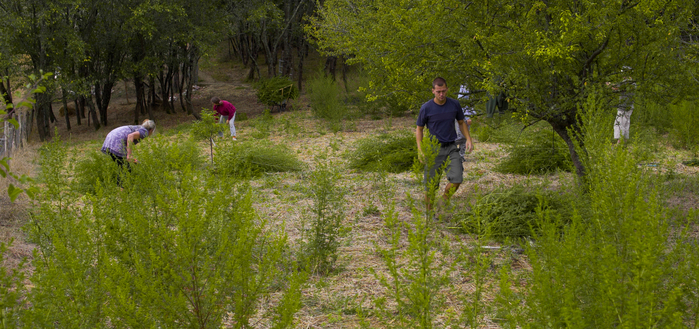
Artemisia annua
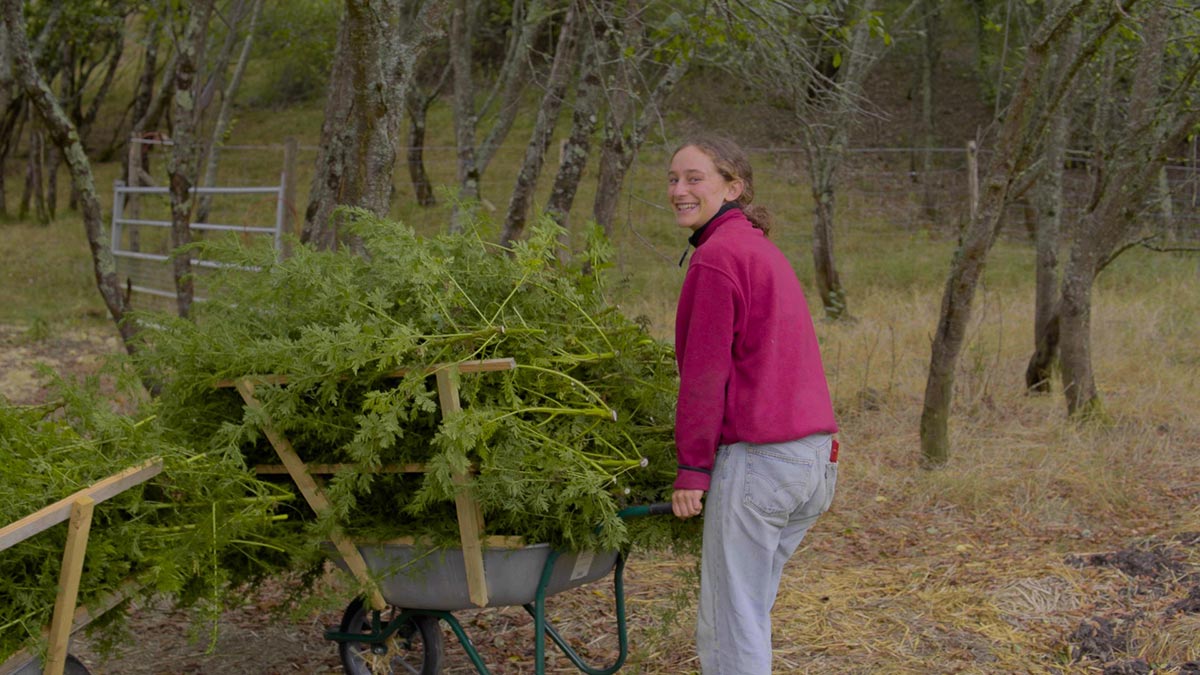
Our Artemisia annua grows and thrives particularly well in France. Seeds from plants grown on our fields in Brandenburg have produced two beautiful Artemisia annua fields in France. In October, we were able to complete the first harvest season in France, and we also collected seeds from the flowers for the following year.