
Parasites
Invisible companions and how we can deal with them
Learn more about the world of parasites—from their classification and distribution to possible symptoms and treatment options. Discover natural approaches and practical tips to help protect yourself from infestation and support your overall well-being.
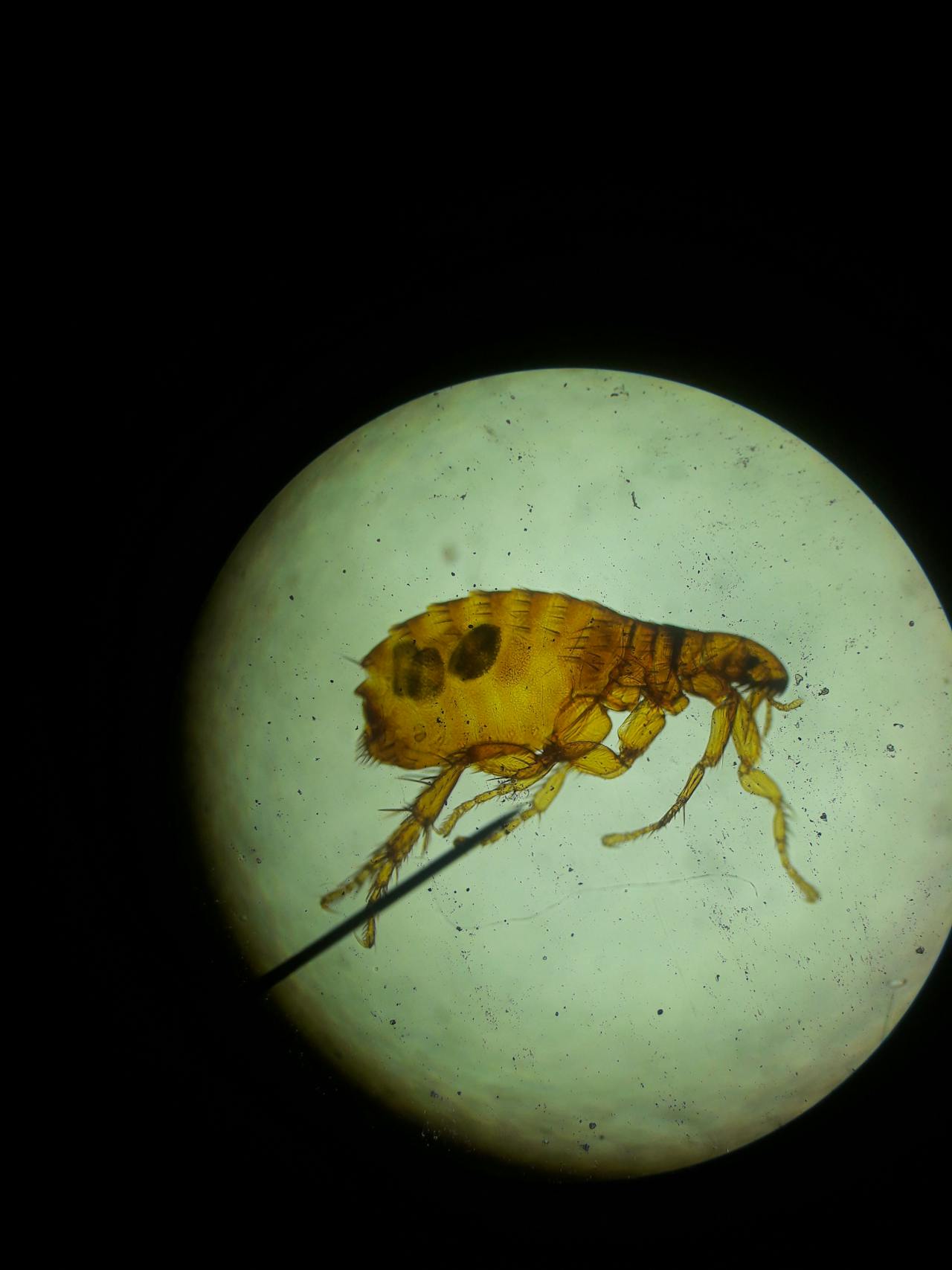
What are parasites?
Parasites are organisms that live off other living beings—their hosts—in order to survive and reproduce. They feed on their host by consuming nutrients, damaging cells, or impairing organ function. Although parasites can harm their host, an infestation is usually not life-threatening, as the parasite depends on the host’s survival.
Parasites can inhabit the body in different ways. Ectoparasites such as ticks, lice, or fleas live on the skin or in hair, while endoparasites such as pinworms (the most common and usually harmless worm infection, especially in children), tapeworms, or plasmodia (the pathogens that cause malaria) live inside the body—for example in the intestines or the bloodstream. Some parasites, such as the fox tapeworm, can, however, cause life-threatening diseases.
Classification of parasites
Parasites can be divided into different categories:
- Protozoa: Single-celled organisms such as Giardia (which causes intestinal infections) or Plasmodium (the cause of malaria).
- Worms: Tapeworms, roundworms, or threadworms such as Trichinella spiralis.
- Arthropods: Insects and related organisms such as fleas, ticks, or lice.
How do parasites enter the body?
Parasites can enter the body through contaminated food, water, or direct skin contact. Children are particularly at risk, as they often come into contact with dirt or animals without much awareness. Consuming raw or insufficiently cooked meat can also lead to infestation.
Effects of parasites in the body
A parasitic infestation can trigger inflammation, tissue damage, and immune responses. Over time, this can place excessive strain on the immune system and potentially contribute to the development of autoimmune conditions. Some parasites, such as the fox tapeworm, can even cause life-threatening complications if not treated in time.
Parasite symptoms: How can an infestation be identified?
The symptoms of a parasitic infection often appear only after some time and can vary widely. They are often non-specific in nature. The most common general symptoms include:
- Fever
- Weight loss
- Headaches
- Fatigue and exhaustion
- General malaise
Parasiten im Darm
Parasiten im Darm verursachen oft spezifische Beschwerden wie:
- Durchfall oder Verstopfung
- Bauchkrämpfe
- Blut im Stuhl
- Appetitverlust oder Heißhunger-Attacken
- Übelkeit
Auch Hautausschlag, Juckreiz oder allergische Reaktionen können auf einen Parasitenbefall hinweisen. In schweren Fällen können Parasiten im Körper sogar psychische Probleme wie Depressionen oder Angstzustände auslösen.
Treating parasites in the body: What can help?
The treatment of a parasitic infection depends largely on the type of parasite involved. In some cases, the body is able to manage the infection on its own, while in others, targeted treatment is required.
Medication-based approaches:
- There is no single medication that is effective against all parasites. For some parasitic infections, no specific medication is available.
- Antiparasitic drugs: These medications are specifically designed to combat parasites.
- Antibiotics and antifungal medications: These may be used as supportive treatment in certain infections.
Natural approaches:
In naturopathic medicine, there are numerous plants known for their antiparasitic properties.
- Artemisia annua
- Japanese knotweed
- Houttuynia
Artemisia annua leaves
Today, Artemisia annua is carefully cultivated and contains a wide range of bioactive compounds. Of particular note is artemisinin. The high artemisinin content is what has made Artemisia annua so well known. Its artemisinin levels are approximately 10 to 20 times higher than those found in the wild form, Artemisia vulgaris. To date, this compound has only been identified in this plant. All Artemisia annua extracts are produced from fresh Artemisia annua leaves. We cultivate annual mugwort on our own fields, grown with great care and manual attention.
Japanese knotweed
Our Japanese knotweed tincture (35% alcohol by volume) is made from fresh roots, which are placed in the extraction liquid immediately after harvest. The extract is prepared at a 1:1 ratio. Until bottling, the full-spectrum tincture is regularly hand-shaken and matured for at least three months. The roots of the Japanese knotweed are wild-harvested from carefully selected locations. We also offer an alcohol-free extract of Japanese knotweed in our range.

Houttuynia tincture
Discover the Houttuynia tincture, a highly bioactive essence made from the leaves of Houttuynia cordata. This fascinating plant from Southeast Asia is not only visually striking but also an important element of traditional Chinese medicine. Our Houttuynia tincture brings the diversity and natural vitality of this remarkable plant directly to you. It is produced from fresh, finely cut, flowering herb and prepared as a high-quality extract at a 1:2 ratio. During the minimum three-month maturation period, the tincture is carefully hand-shaken on a regular basis to ensure the highest possible quality.
Chaga medicinal mushroom
The Chaga medicinal mushroom (Inonotus obliquus), also known as the clinker polypore, is a functional mushroom that primarily grows on birch trees in cold climates such as Russia, Northern Europe, and Korea. It has been used in traditional medicine for centuries and is becoming increasingly popular in the Western world as well. Chaga is rich in various compounds, including polysaccharides, triterpenoids, melanins, and polyphenols. The mushroom can be consumed in different forms; we offer both a Chaga medicinal mushroom tincture and Chaga medicinal mushroom capsules.
For complementary support:
As a complementary approach, zeolite or bentonite are often used to support the binding and elimination of toxins and parasites from the body. To support the body’s detoxification organs, our Seven-Herb Tea is particularly suitable. This pleasantly mild and aromatic tea may gently support the body’s natural detoxification processes.
Additional herbs:
Sage, thyme, wormwood, oregano, and garlic have been traditionally used and may offer supportive effects. Pumpkin seeds and coconut oil: These home remedies are often used when intestinal parasites are suspected.
How can you protect yourself from parasites?
Preventing parasitic infestation begins with simple hygiene measures:
- Food hygiene: Wash fruit and vegetables thoroughly, and cook meat and fish sufficiently.
- Hand washing: Especially after contact with animals or spending time outdoors.
- Caution for pregnant and immunocompromised individuals: These groups should pay particular attention to hygiene.
- Regular use of traditionally used herbs: Annual mugwort (Artemisia annua), sage, thyme, wormwood, oregano, and garlic. These herbs can be used regularly for seasoning meals or prepared as tea.
- Dietary additions: Pumpkin seeds, coconut flakes, coconut oil, or papaya seeds can also be incorporated into the diet on a regular basis.
Conclusion
Although parasites are often invisible, their effects can be significant. With the right knowledge and preventive measures, the risk of infestation can be greatly reduced. Pay attention to the parasite symptoms mentioned above, address infections early, and focus on preventive practices to protect yourself and your family.