
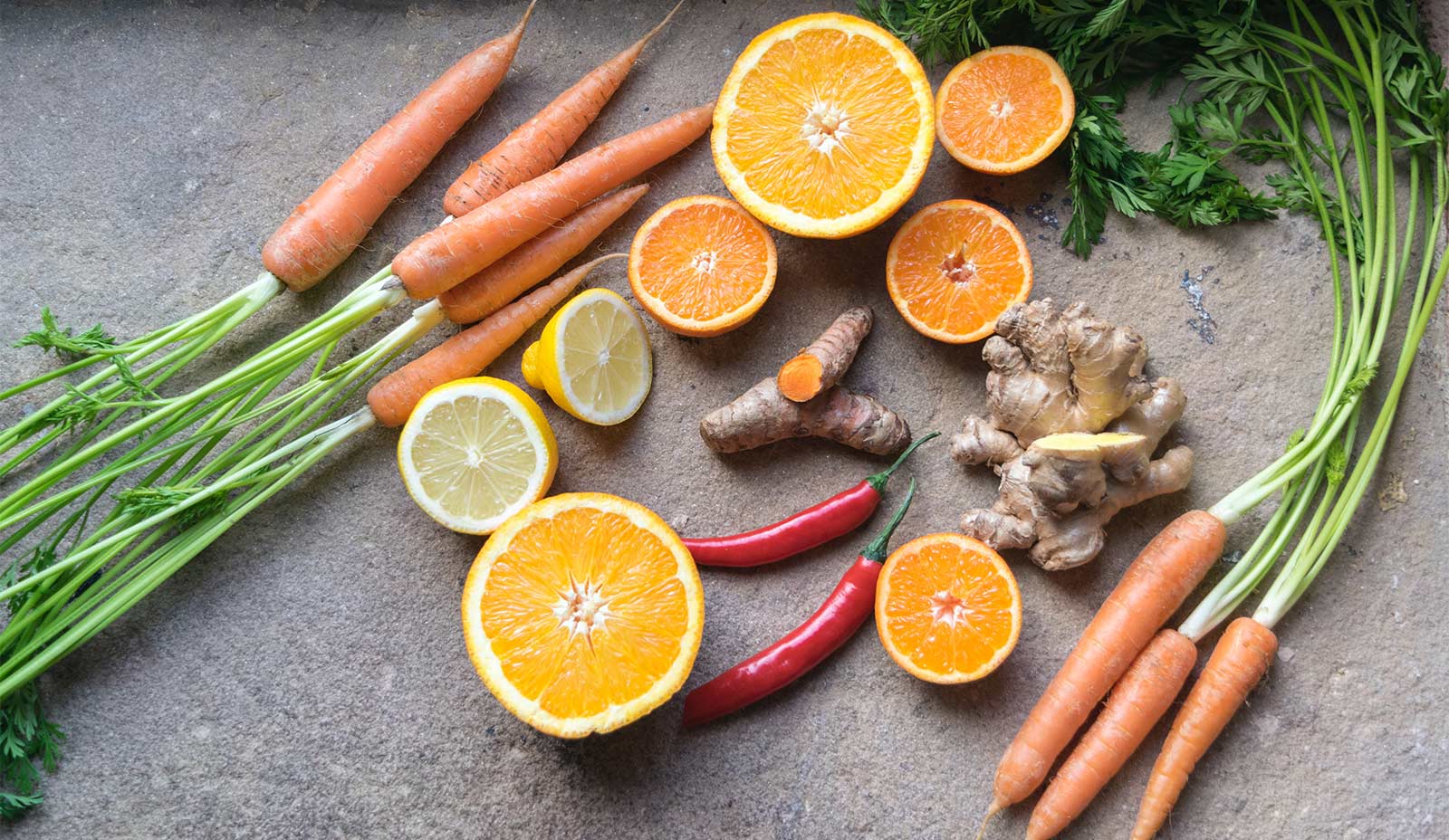
Energy through proper nutrition
Part 3 of our blog series on the topic: Vital energy
When it comes to nutrition, there are many different schools of thought—some of which contradict one another. In the jungle of recommendations and well-meant advice, it’s easy to lose track. What is clear, however, is that every body and every life situation is different, and ultimately you need to find the way of eating that works best for you. That said, there are certainly some basic guidelines that can help you find your personal nutritional balance!
Our blog series on the topic: Vital energy
Part 1:
Light, sleep, and vital energy
Quality sleep is one of the body’s basic needs and is essential for a healthy and energetic life.
Part 2:
Energy through fasting
Refocusing on what truly matters, experiencing the body in a completely new and powerful way, expanding mental and physical boundaries, and strengthening overall health.
Part 3:
Energy through proper nutrition
When it comes to nutrition, there are many different schools of thought—some of which contradict one another—and in the jungle of recommendations and well-meant advice, it’s easy to lose track.
Part 4:
Energy through toxin elimination
Heavy metals from the environment, much like pesticides, can enter our system through food. As some of them can be harmful even in small amounts, it is important to be aware of and address them.
Part 5:
Energy through movement
Movement plays a key role in maintaining vitality, supporting circulation, strengthening the body, and promoting overall well-being.
Fundamental building blocks of a healthy diet
The foundation of a healthy diet is mindful eating—engaging with and learning about the foods on your plate. When it comes to the components of a balanced diet and the proportions of what we consume, the classic food pyramid provides a helpful point of reference. It illustrates that adequate water intake forms the basis of any healthy diet.
Furthermore, to achieve a balanced intake of macro- and micronutrients, a varied diet with a wide selection of fruit and vegetables is essential. Fruit and vegetables represent the second level of the food pyramid and should be consumed in sufficient quantities, both raw and gently cooked. A simple guideline for daily intake is the “5 a day” rule, which recommends eating five portions per day—approximately two handfuls of fruit and three handfuls of vegetables. The next level of the food pyramid consists of carbohydrate sources, with wholegrain products being the preferred choice when it comes to grains. Animal-based foods serve only as a complement to a healthy diet and should therefore make up a relatively small portion. At the top of the pyramid are fats, sugar, and sweets, which should be consumed only in very small amounts.
Alongside portion sizes, the quality of what we consume also plays a crucial role. For the sake of the climate and to support local farmers, it is advisable to choose seasonal and locally sourced foods whenever possible. When consuming animal-based products, attention should be paid to animal welfare standards, and organic quality should generally be given preference. In the context of a healthy diet, whole foods should be favored over industrially processed products, which are often of lower quality and contain questionable additives. In this sector, many substances are added to foods that we would never use in our own kitchens. In particular, the widespread use of sugar, salt, and unhealthy fats such as palm oil in processed foods contributes to their negative health effects. Cooking at home not only gives you full control over the ingredients, but also offers the opportunity to be creative, develop a closer connection to food, and learn more about nutrition—a truly valuable experience.

Vegan and vegetarian diets
Considering climate impact, personal environmental footprint, and animal welfare issues within industrial farming, more and more people are choosing vegan or vegetarian diets. Vegetarian eating, for example, has a long tradition in India, and it is entirely possible to live a healthy, balanced life as a vegetarian. However, as with any dietary approach, a vegetarian or vegan diet requires mindful attention to individual eating habits and personal nutrient needs in order to maintain sufficient energy and obtain all essential vitamins and nutrients.
Particular attention should be paid to certain nutrients that are predominantly found in animal-based products and may become deficient in a vegan diet. These include vitamin B12 in particular, as well as calcium, iodine, and iron. Vitamin B12 can be supplemented through dietary supplements or administered by a healthcare professional via injection. Iron, calcium, and iodine are also present in plant-based foods, and an adequate intake can be achieved through a conscious, well-planned diet that may include foods such as algae.
Gut health
A nutritious diet can only be truly effective if it is supported by a healthy digestive system that is able to absorb and process valuable nutrients. Today, an increasing number of people suffer from food intolerances and gastrointestinal disorders. These conditions may be accompanied by symptoms such as bloating, diarrhea, constipation, and persistent abdominal pain, often making nutrient absorption less efficient.
From a scientific perspective, it has become increasingly clear in recent years that the gut microbiome—the diverse community of bacteria living in symbiosis within our digestive system—plays a crucial role in our overall health. It not only supports physical well-being but also influences our emotional and mental state. Unfortunately, for many people this natural gut flora is disrupted by an unbalanced diet and repeated courses of antibiotics, causing the microbial balance in the gut to become disturbed.
For balanced gut health, dietary fiber and fermented foods can be particularly helpful, as they can be consumed through the diet and gently support a healthy balance of gut bacteria. The acid–base balance of the diet should also be reviewed in cases of persistent digestive discomfort. If these measures do not bring relief and symptoms such as pain and bloating persist, a gut cleanse may be beneficial. This typically consists of a combination of intestinal cleansing and probiotic supplementation, such as Lactopia Probio-pure probiotic capsules—which provide live bacterial strains that support healthy digestion.
Health through gut cleanses
To restore a healthy gut flora, gut cleanse programs usually begin with intestinal cleansing, often achieved with the help of Epsom salts, enemas, or fasting days. Afterwards, the beneficial bacteria in the gut that support healthy digestion can be nourished with prebiotics or similar approaches.
Guide: Gut restoration
A disrupted gut microbiome affects the immune system, as does an overly permeable intestinal lining. The latter can lead to what is known as “leaky gut” or irritable bowel syndrome. The goal of restoring an unhealthy gut is to address existing issues and fully reestablish proper digestive function.
Afterwards, a probiotic is always included, containing active bacterial strains that settle in the gut and are intended to support digestion in the long term. Such a program can be carried out once or twice a year.
If you decide to undertake a gut restoration program, we are happy to support you through this new experience. To assist you with your gut restoration, we have developed a package that combines our Flora Equilibrium Powder with a probiotic. The powder is a creation from our herbal manufactory and consists of psyllium husks, milk thistle seeds, cat’s claw bark, turmeric, and black pepper. Together, these plants support the digestive organs and help with intestinal cleansing. Our probiotic is provided in gastro-resistant capsules containing probiotic and prebiotic gut bacteria with organic inulin. Each capsule contains more than two billion lactic acid bacteria from ten viable strains of Lactobacillus and Bifidobacterium.
Together, the components of our gut cleanse complement one another, supporting both the cleansing of the intestines and the subsequent recolonization with beneficial bacteria. Our program is designed for a period of eight weeks, and you will receive detailed instructions with the cleanse package. The program can be ideally complemented with an additional intake of nutrient- and vitality-rich foods such as baobab and moringa, both of which are available in powdered form in our shop. While the fruit of the baobab, also known as the monkey bread tree, provides minerals as well as valuable dietary fiber that can support a healthy gut microbiome, moringa contains all essential amino acids along with a wide range of vitamins and minerals.
A holistic approach to nutrition
Even though scientific findings and complex terms related to micro- and macronutrients often play a major role in discussions about nutrition, there is another important aspect of healthy eating—one that is deeply connected to nourishing the soul. Not only the ingredients in our food, but also our personal relationship with what we consume can nourish and strengthen us. Anyone who has ever grown a tomato or a head of lettuce on their own balcony or in a raised bed knows the difference it makes to eat something with which you have a personal connection. A similar relationship can develop when you harvest your own food—such as picking blueberries or mushrooms in the forest, or gathering buds and wild herbs in nature.
Another way to build a personal connection to food is by sourcing it directly from the producer—such as at a farmers’ market or a local farm shop, where you can meet the people behind the products. The more we know about our food, the more we learn to appreciate it, and in doing so, we also honor the earth on which it grew and the work of those who helped it thrive.

Conclusion
When it comes to a healthy and balanced diet, so many factors play a role that it is difficult to offer recommendations that apply equally to everyone. Somewhere between raw veganism, the paleo diet, and the local sausage stand, each person must find the balance that works best for them. The food pyramid can serve as a helpful guide, but for effective nutrient absorption, special attention should also be given to gut health. If the diversity of microorganisms in our gut—which support digestion and nutrient absorption—becomes imbalanced, a gut cleanse may help restore beneficial bacteria.