

Energy through movement
Part 5 of our blog series on the topic: Vital energy
With the arrival of spring, everything around us comes back to life. Tree buds are bursting with energy, and the first spring flowers push their colorful heads through the cold soil. The days grow longer, and the intensity of light changes noticeably compared to the grey winter months. This revival of life energy in nature can also awaken a powerful sense of vitality and zest for life within us. During this season, we naturally feel drawn outdoors, and moving in the fresh air becomes effortless again. We quickly notice how good it feels after our first jogs in the park or a few long walks outside. Regular movement is essential for our bodies—it strengthens muscles, supports healthy organ function, and reinforces the cardiovascular system. To ensure movement that benefits us holistically, there are several important factors to consider and helpful adjustments that can make physical activity a natural part of everyday life.
Our blog series on the topic: Vital energy
Part 1:
Light, sleep, and vital energy
Quality sleep is one of the body’s basic needs and is essential for a healthy, energetic life.
Part 2:
Energy through fasting
Refocusing on what truly matters, rediscovering the body’s strength, expanding mental and physical limits, and supporting overall health.
Part 3:
Energy through proper nutrition
When it comes to nutrition, there are many different schools of thought—some of which contradict one another—and in the jungle of recommendations and well-intended advice, it’s easy to lose perspective.
Part 4:
Energy through toxin elimination
Heavy metals from the environment, much like pesticides, can enter our system through food. As some can be harmful even in small amounts, it is important to be mindful of them.
How much physical activity does a person need?
Depending on age, personal preferences, and individual circumstances, a healthy level of physical activity can look very different from person to person. However, some general recommendations from health experts can still serve as useful guidelines. For example, the World Health Organization recommends a minimum of 150 minutes of moderate-intensity physical activity per week for adults. What qualifies as this type of activity can vary greatly and is perceived very subjectively. Moderate intensity is generally defined as movement that feels slightly strenuous and increases breathing rate, while still allowing for conversation. Examples include dancing, gymnastics, brisk walking, swimming, or certain forms of yoga.
In addition, at least 75 minutes of high-intensity physical activity per week are recommended. This type of movement is perceived as strenuous, and sustained conversation is no longer possible due to significantly increased breathing. High-intensity activities include fast cycling, jogging, or lap swimming. For overall health, muscle-strengthening or muscle-building activities should also be performed at least twice per week. There are many options for such exercises and training aids—from bodyweight exercises like push-ups to structured workout plans in gyms and specialized classes.
“Everything that moves is moved either by nature, by an external force, or by its own will.”
Aristotle
Older adults, in particular, should also incorporate regular balance exercises into their routines to reduce the risk of falls. However, those who are unable to fully meet the World Health Organization’s recommendations despite their efforts and motivation need not be discouraged. Studies have shown that even shorter—but consistently regular—physical activity sessions of more than 15 minutes can be effective in preventing a wide range of diseases.
Unfortunately, it is a misconception to believe that people with physically demanding jobs can forgo exercise and movement in their leisure time. In fact, especially those individuals should make an effort to include balancing forms of movement in their daily lives. Movements performed at work are often very repetitive and one-sided, which can lead to wear and tear as well as associated pain. Staying active is particularly important for back pain, even when resting on the sofa may seem more tempting. While rest can be beneficial in certain cases, it is balanced movement that sustainably strengthens muscles, provides compensation for strain, and addresses the underlying causes of back pain.
To incorporate a greater variety of movement into daily life—despite a busy routine and demanding work schedule—it can be helpful to vary modes of transportation during everyday errands, choosing to walk or cycle for shorter or even longer distances. Cycling to work, where possible, is also a wonderful way to arrive feeling alert and refreshed. Many swimming pools offer early morning opening hours, making it possible to swim a few laps before work—an invigorating boost that can last throughout the day. To stay motivated to move more, many people now rely on sports watches or fitness trackers, and many smartphones also offer built-in fitness or health apps that can be used for support.
“After eating, one should rest—or take a thousand steps.”
Proverb
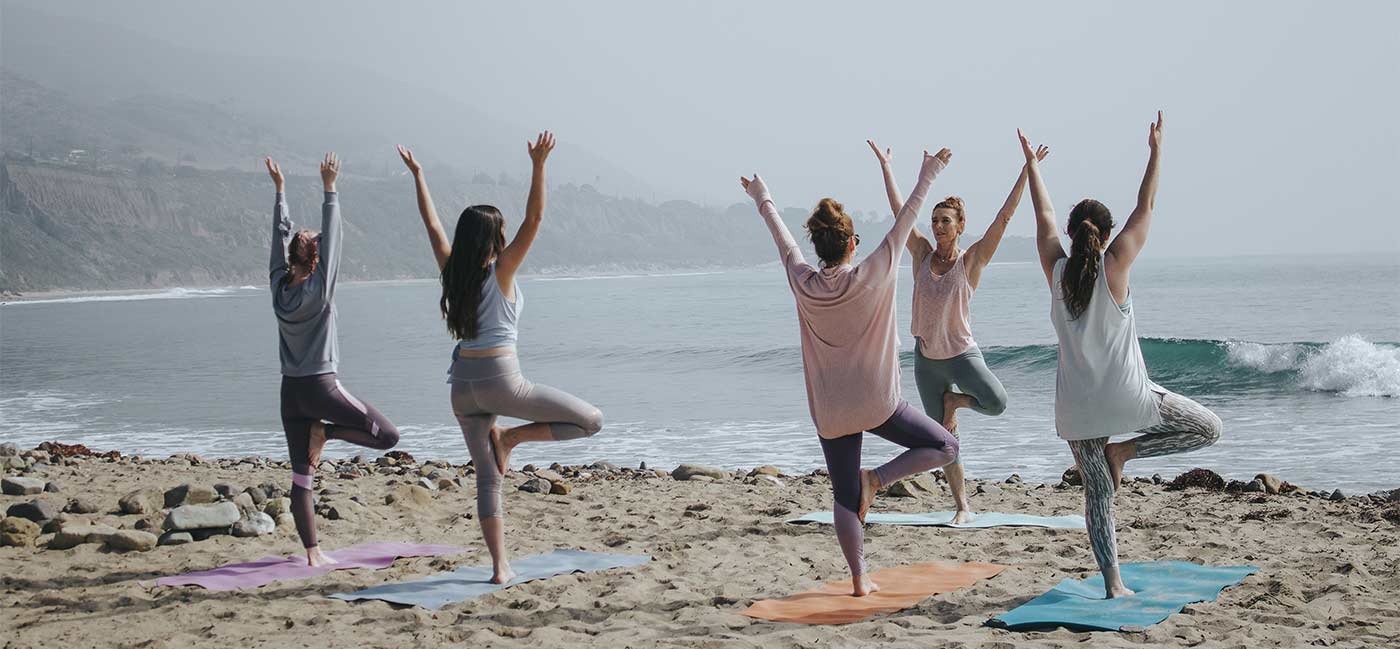
Strengthening health through movement
Our bodies require an adequate amount of physical activity, as this is the only way to maintain the physiological functions of muscles and bones, as well as the proper functioning of many organs. When we move and engage our muscles, they receive more blood flow and nutrients than they do at rest, helping to ensure their maintenance and development. At the same time, tendons and ligaments are strengthened, which in turn protect our joints.
That physical activity strengthens muscles may come as no surprise, but many people are unaware that it also has healing and preventive effects on the function of internal organs. Regular and sufficient movement strengthens the cardiovascular system and can help prevent heart disease, strokes, and high blood pressure. High-intensity exercise in particular also has a positive effect on the respiratory system, training the lungs and reducing shortness of breath. Movement of the limbs additionally stimulates metabolism and lays the foundation for healthy digestion. The immune system benefits as well, becoming stronger and better able to fend off pathogens in the future.
The entire nervous system—including brain function and mental well-being—also depends on sport and movement to function optimally. During physical activity, increased amounts of endorphins, often referred to as “happiness hormones,” are released. In addition, greater quantities of serotonin and noradrenaline are produced, which contribute, among other things, to a healthy sleep–wake rhythm, regulated blood pressure, and smooth digestive function. At the same time, stress hormones such as cortisol and adrenaline are broken down, and everyday life is often perceived as less stressful.
Die positive Auswirkung von ausreichender Bewegung auf die Nervenbahnen und die Verbindungen zwischen Nervenzellen schlägt sich in einer erhöhten geistigen Leistungsfähigkeit nieder. Diese wirkt sich bis ins hohe Alter aus, so leiden Menschen, die sich ausreichend bewegen, seltener an Gedächtnisschwund und haben weniger Probleme mit Alzheimer-Erkrankungen. Auch Depressionen und seelische Verstimmungen können durch ein ausreichendes Bewegungspensum verbessert werden.
Wer sich zu wenig bewegt, steigert sein Risiko, an Herzerkrankungen, Schlaganfällen, Bluthochdruck oder Diabetes zu erkranken. Auch psychisches Unwohlsein und Schlafstörungen werden immer häufiger mit Bewegungsmangel in Verbindung gebracht. Bleibt ein gesundes Maß an Bewegung aus, beginnt außerdem das Muskelgewebe zu schwinden, was besonders im Alter oft zu Haltungsfehlern mit einer möglichen Schädigung der Wirbelsäule führen kann. Eine solche Fehlhaltung lässt den inneren Organen in Brustkorb, Bauch und Becken oft wenig Platz und kann sie in ihrer Funktion deutlich einschränken.
Plant-based companions for better mobility
Movement and connection
What sustainably strengthens the body and relieves pain inevitably also has positive effects on the mind and emotional well-being. Adequate physical activity is now recommended as a supportive measure for depression and stress, and it can also play a role in improving sleep disturbances. During exercise, hormones are released that influence the body’s entire hormonal balance.
One of the most beautiful synergies arises when movement takes place in nature. Those who swim regularly in a lake in the morning not only benefit their muscles and cardiovascular system, but also experience moments of natural beauty that can fill the entire day with joy. Nature can also be experienced deeply while jogging through the forest or cycling outdoors—there is always something new to discover, which nourishes the soul as well. People who connect with their natural surroundings in this way often come to recognize their immense value and are more likely to engage in protecting the environment—a wonderful side effect of movement in nature. At the same time, fresh air, especially in forests, is particularly beneficial for the body.
Sport and movement in everyday life also offer great potential for social connection. Not only is it enjoyable to engage in physical activities together with people we care about, it can also significantly increase motivation. It is important to find forms of movement that truly feel good on a personal level—whether through team sports or walking with friends. What matters most is that the activity suits individual physical needs and feels nourishing overall.

Conclusion: Balance is key
Which forms of movement benefit me most is something only I can discover by continually trying new things. Whether movement becomes a shared experience with friends or a quiet moment just for myself—where I give my body attention and allow my mind to settle—the key lies in variety. A diverse mix of activities, with constant changes in movement patterns, intensity, and flow, is essential. What ultimately determines success is regular practice and sustained motivation for healthy movement. In this way, at any time of year and in response to my body’s changing needs, I can find the form of movement that truly supports both body and soul.